Disclosure: This post contains affiliate links. If you make a purchase through one of these links, we may earn a small commission at no additional cost to you. As an Amazon Associate, we earn from qualifying purchases.
Most toy storage advice treats kids like one big category. But a system that works beautifully for a nine-month-old will frustrate a four-year-old, and a setup built for a preschooler will feel babyish to a seven-year-old with a growing LEGO collection. The real reason playrooms keep sliding back into chaos is usually not a lack of bins. It’s that the storage stopped matching the child.
This guide breaks toy organization down by age, so you can set up what fits your kid right now and know what to change as they grow. Skip straight to the stage you need, or read it all if you have more than one child sharing a space.
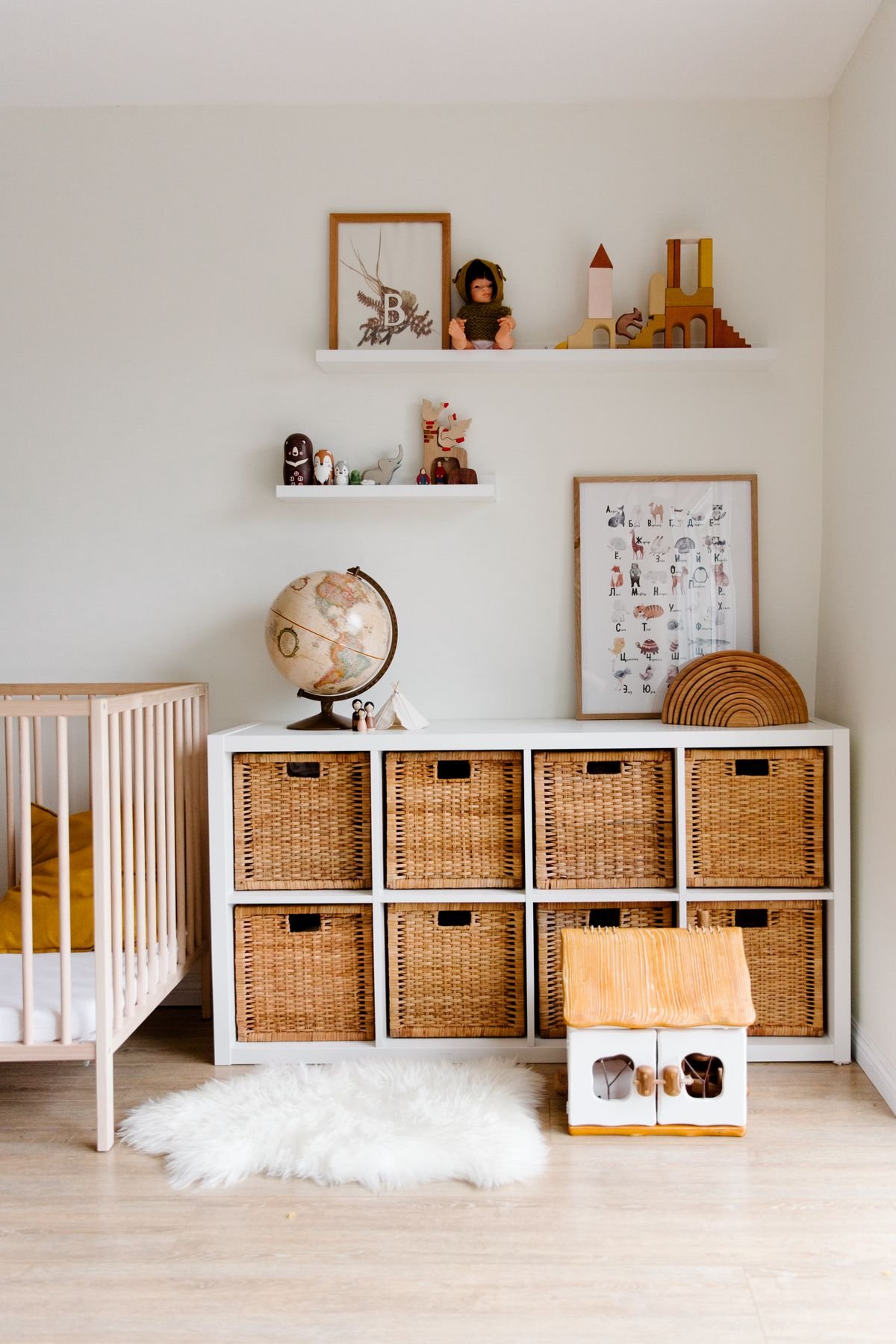
Babies (0–12 Months): Storage Is for You, Not Them
At this stage, your baby isn’t putting anything away, so the goal is simple: make it fast for you to reset the room. Babies also don’t need many toys out at once. A handful of rattles, soft blocks, board books and a stacking toy is plenty for a single play session.
- Use a few large, soft baskets. Fabric or woven baskets in a low cube shelf let you sweep everything up in thirty seconds. No sorting required.
- Keep a small “out now” basket. Six to eight toys within reach of the play mat; everything else lives in a closet or high shelf.
- Plan for crawling. Once your baby starts pulling up, anything on a low shelf is fair game, so keep heavy or breakable decor higher up and anchor any shelf or dresser to the wall.
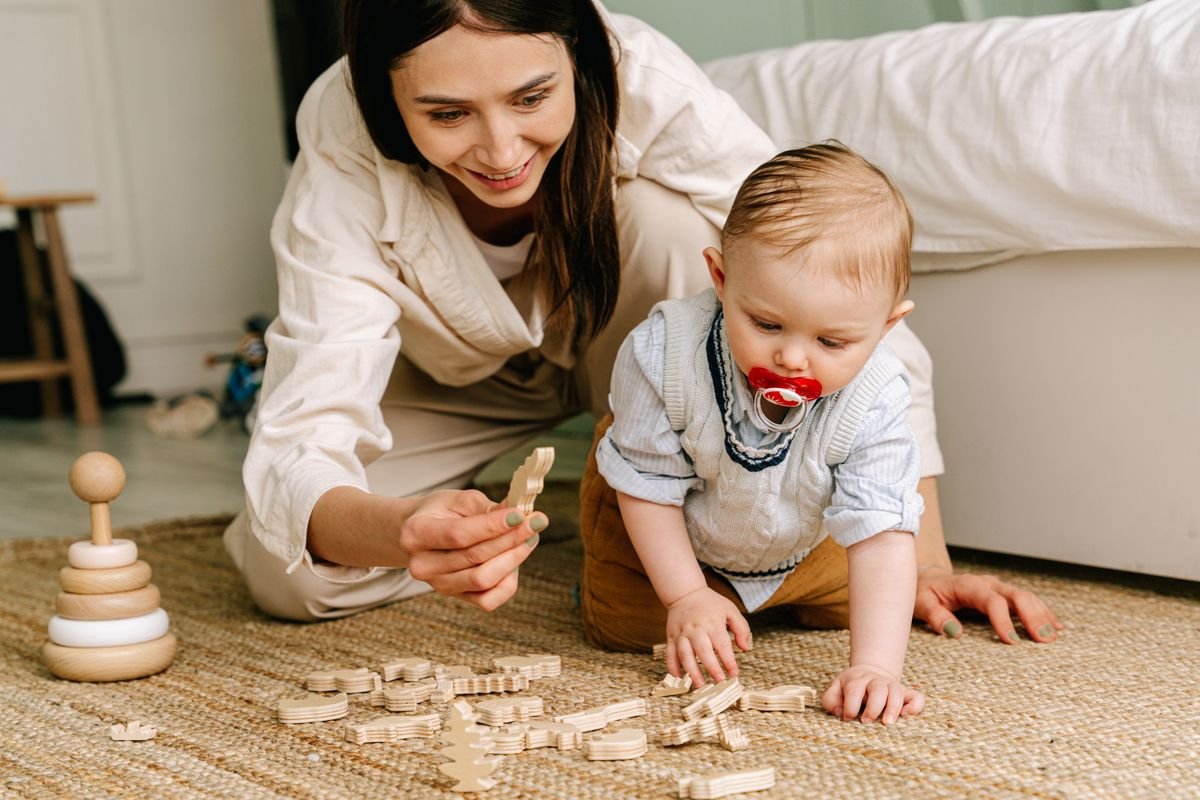
Toddlers (1–3 Years): Open, Low and Visible
Toddlers are the stage where cleanup habits actually start, and they can do more than most parents expect, as long as the system is dead simple. A toddler can’t follow “put the cars in the vehicle bin on the second shelf.” They can follow “cars go in the blue bin.”
That’s why open bins on low, sturdy shelving work so well at this age. Your child can see what’s inside, pull a bin out without help, and drop things back in without fiddling with lids. Picture labels (a photo or simple drawing of what goes in the bin, taped to the front) do the job that words can’t yet.
Two cautions for this age: keep the number of categories small (four to six is plenty), and keep older siblings’ small-part toys like marbles or tiny building pieces on a higher shelf the toddler can’t reach.
Humble Crew Kids Toy Organizer with 12 Bins

If you want one piece of storage that works from the toddler years well into early school age, a low bin organizer is hard to beat. Kids can see every category, pull a bin out on their own and toss toys back in without help.
- 12 removable bins — 8 standard and 4 large, so bulky toys and small sets both have a home
- Kid-height and compact — about 34″ wide and 31″ tall, low enough for little hands
- Anti-tip kit included — comes with a wall anchor kit and rounded corners
Check Current Price on Amazon →
As an Amazon Associate we earn from qualifying purchases. Price and availability may change.
Preschoolers (3–5 Years): Categories and Rotation
Preschoolers can handle more categories, and they’re starting to care about specific toys: the dinosaur collection, the play kitchen food, the art supplies. This is the age to split broad bins into clearer groups and to introduce the single most effective trick for keeping a playroom under control: toy rotation.
Rotation is simple. Keep about a third of the toys out, store the rest in lidded boxes in a closet, and swap a few bins every couple of weeks. Fewer toys out means faster cleanup, and the “new” bins coming back out get played with far more than toys that sit on the shelf all year.
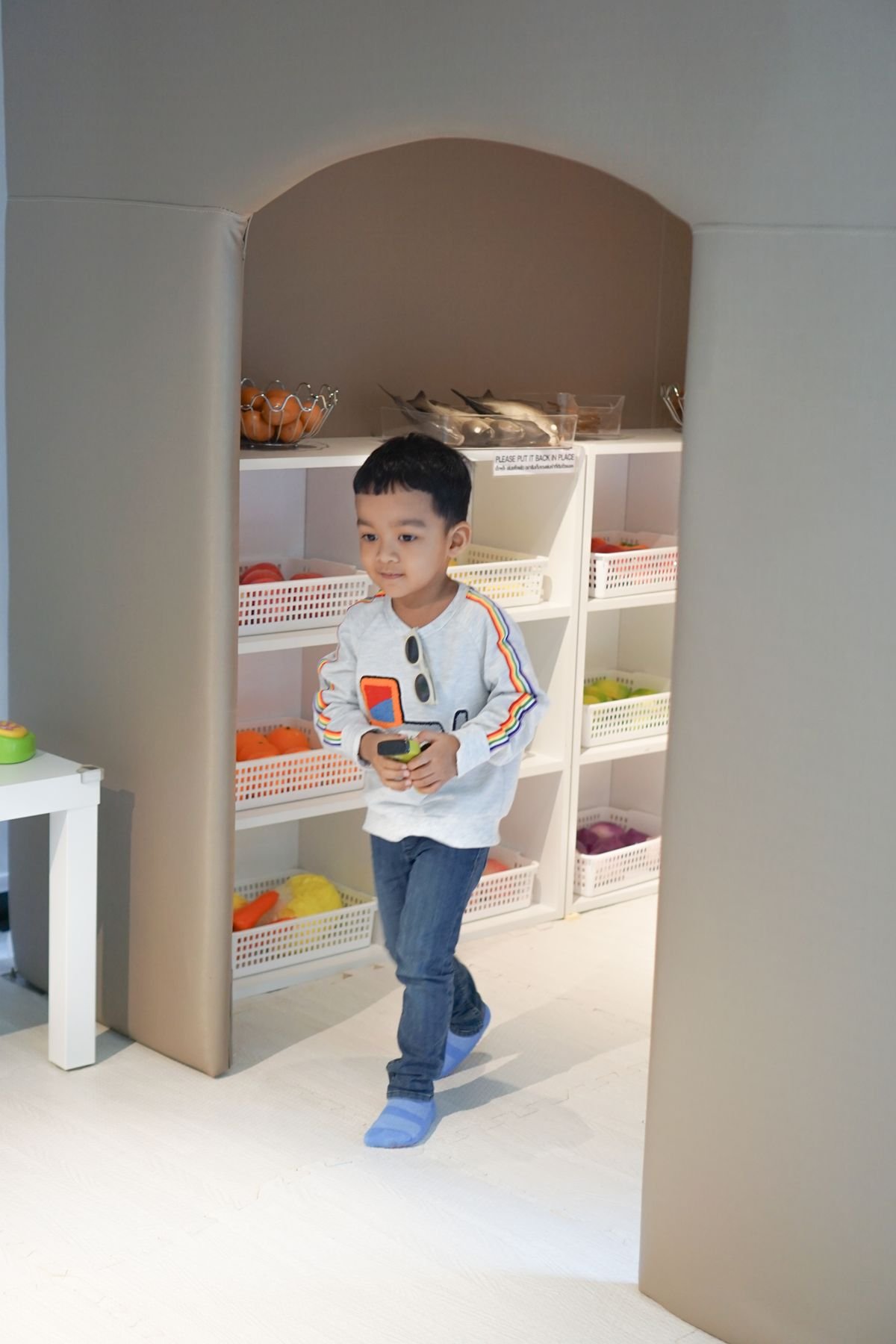
- Give art supplies their own zone. A small caddy for crayons, glue sticks and paper keeps creative mess in one spot instead of every bin.
- Switch to word-plus-picture labels. Many preschoolers start recognizing words, and pairing a word with an image helps.
- Use a “display spot.” A short shelf for the current favorite creation or toy stops kids from hoarding things on the floor.
School-Age Kids (6–10 Years): Small Parts and Ownership
By early school age, toy collections change shape. Big plastic toys fade out, and small-part hobbies take over: building bricks, trading cards, craft kits, figurines. The big open bins that worked at three turn into bottomless pits where tiny pieces disappear.
This is when to shift toward shallow drawers and lidded containers sorted by set or hobby, plus clear containers so kids can find things without dumping everything out. It’s also the right age to hand over ownership. Let your child decide the categories, write their own labels and choose what stays out. Kids are far more likely to maintain a system they designed themselves.
One more habit worth starting now: a simple “one in, one out” rule around birthdays and holidays. When new toys arrive, your child picks a few older ones to donate. It keeps the collection from outgrowing the room.
The Rules That Work at Every Age
- Every toy needs a home. If a toy doesn’t have an obvious place to go, it ends up on the floor.
- Store toys where they’re played with. A bin of cars in the living room beats a perfect playroom nobody uses.
- Anchor tall furniture. Shelves and dressers should be secured to the wall, no matter how old your kids are.
- Make cleanup part of the routine. A five-minute reset before dinner or bedtime does more than a big weekly purge.
Quick Recap
Babies need a fast reset for you. Toddlers need open, low bins with picture labels. Preschoolers do best with clearer categories and toy rotation. School-age kids need small-part containers and real ownership of the system. If you want one piece that bridges the toddler and preschool years, a low bin unit like the Humble Crew 12-bin organizer is a solid starting point.
What age are your kids, and which part of toy cleanup is the hardest at your house right now? Share your setup or your biggest frustration in the comments. We read every one.
Leave a Reply